

Key Takeaways
- Yellow eyes are often associated with an issue with your liver or gallbladder.
- Medications and blood conditions can impact the color of your eyes.
- Watch for additional signs such as stomach pain, dark urine, or itchy skin.
- Our eye doctors can check your vision and guide you to proper care.
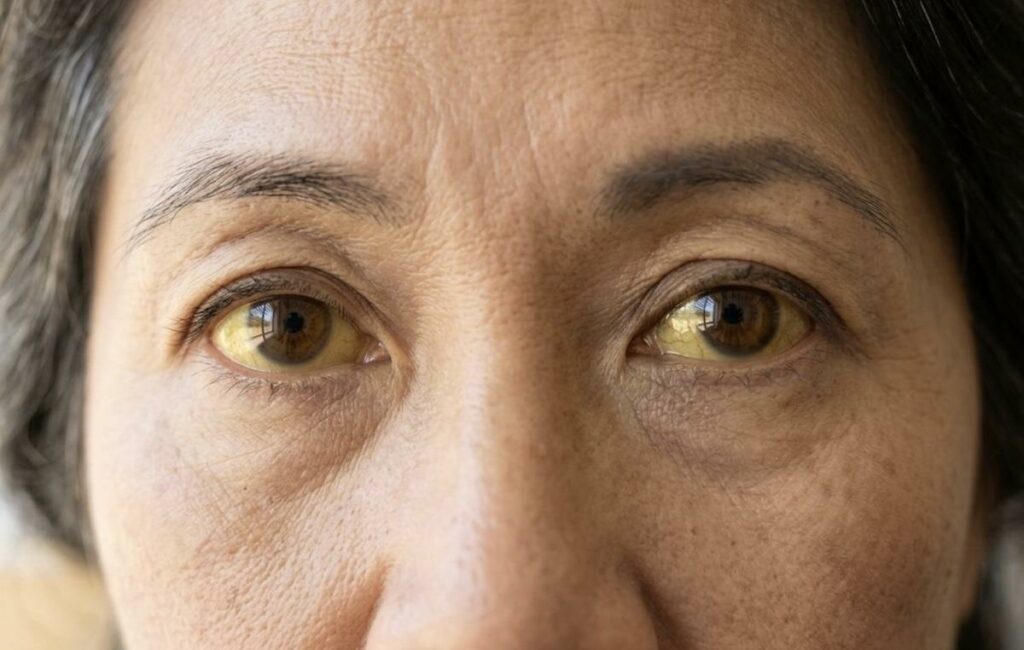
One day, you look in the mirror and notice that the white parts of your eyes look slightly yellow. At Total Vision Little Tokyo, we know this can feel concerning at first, but our team is here to help you understand what it may mean. This color change happens when a yellow substance called bilirubin builds up in your blood instead of leaving your body through your liver.
Yellow eyes may indicate that your body has too much bilirubin, which can happen when conditions affect the liver, gallbladder, bile ducts, or pancreas and interfere with normal bile flow. An eye doctor may notice yellowing of the eyes during an eye exam and recommend further medical evaluation to help determine the underlying cause.
Main Sources of Yellow Eyes
Liver and Gallbladder Issues
You can compare your liver to a large filter for your blood. When this “filter” struggles to function properly, a yellow waste product called bilirubin can stay in your body instead of being flushed out, which can affect the color of your skin and eyes.
Gallstones can also cause yellowing. Gallstones can sometimes block the normal flow of bile through the bile ducts, which may lead to a buildup of bilirubin in the body.
Medications and Blood Conditions
In some cases, medications that affect liver function can contribute to yellowing of the eyes. This may occur with certain prescription medications or, more rarely, with excessive use of some over-the-counter pain relievers.
Certain blood disorders, including some forms of hemolytic anemia, can increase the breakdown of red blood cells and raise bilirubin levels.
Extra Signs and Symptoms to Watch
Changes in Your Body
Yellow eyes can appear alongside other physical changes. There are other signs that point to a liver or gallbladder issue, such as:
- Dark urine
- Persistently itchy skin for no noticeable reason
- Sudden weight loss or exhaustion
Stomach and Digestion Trouble
Your digestive system works closely with your liver and gallbladder. Issues in these organs often disrupt how your body handles food. This could appear like:
- Abdominal discomfort or pain
- Nausea
- Reduced appetite
The Truth About Dehydration and Yellow Eyes
In some cases, low water intake can make your eyes feel dry or look slightly red. However, it is a myth that hydration levels can cause your eyes to look yellow. Generally, being hydrated is good for your whole body, including your eyes, so our team often recommends drinking plenty of water and eating a balanced diet.
When to See an Eye Doctor
Urgent Symptoms
If yellowing of the eyes develops suddenly or is accompanied by symptoms such as fever, severe pain, or changes in vision, it’s a good idea to seek prompt medical attention.
Visit Your Local Eye Clinic
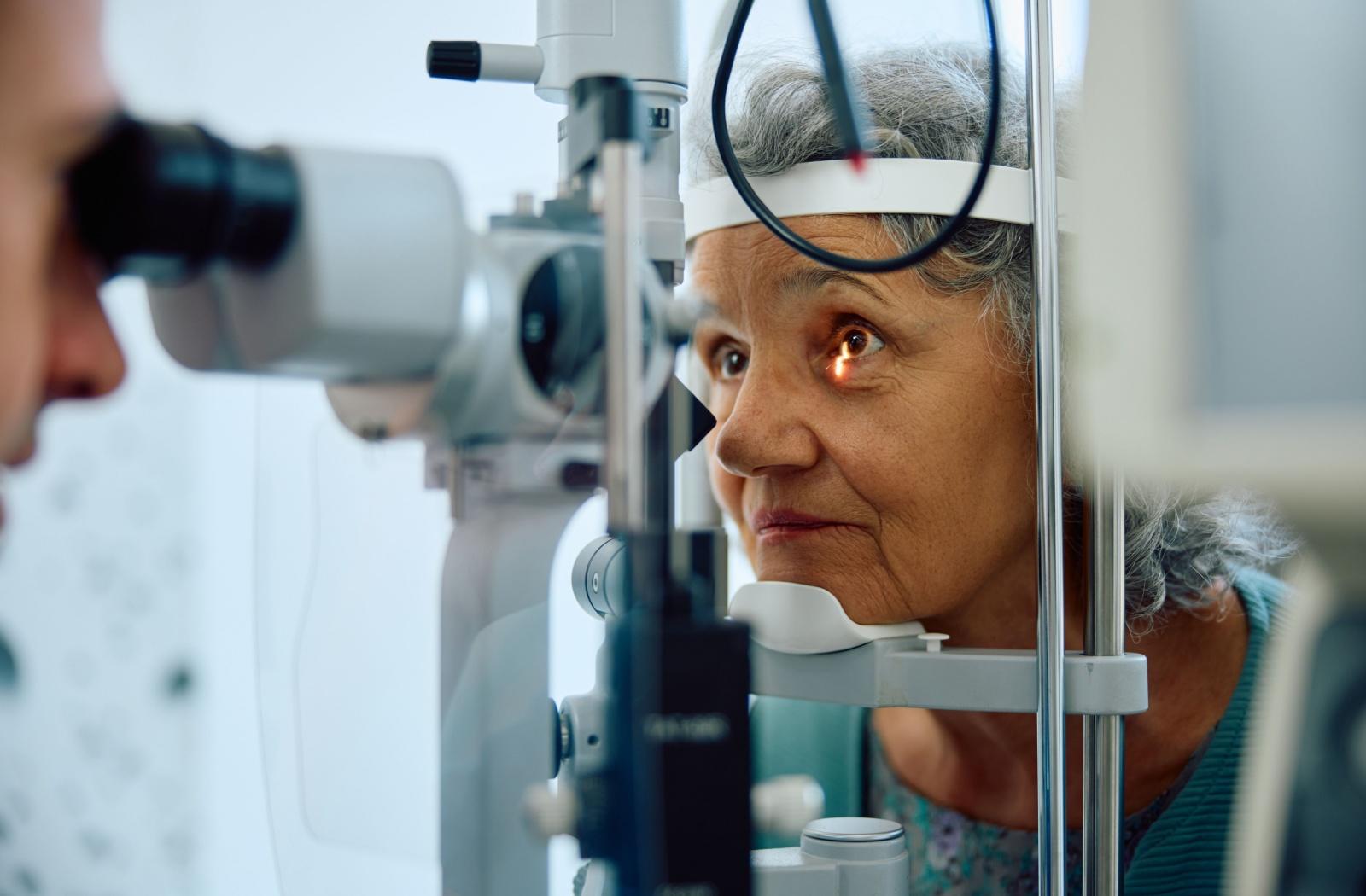
Regular eye exams can help track changes in your vision and overall eye health. An optometrist can detect symptoms during an eye exam and guide you toward the appropriate medical care. That might look like seeing your family doctor, or, depending on the severity, a referral to a specialist.
Book Your Visit
Taking care of your eyes means paying attention to changes in their color and clarity. If you’re noticing yellowing of the whites of your eyes, our team at Total Vision Little Tokyo can evaluate your eye health and guide you to appropriate care. Book an eye exam today.